


















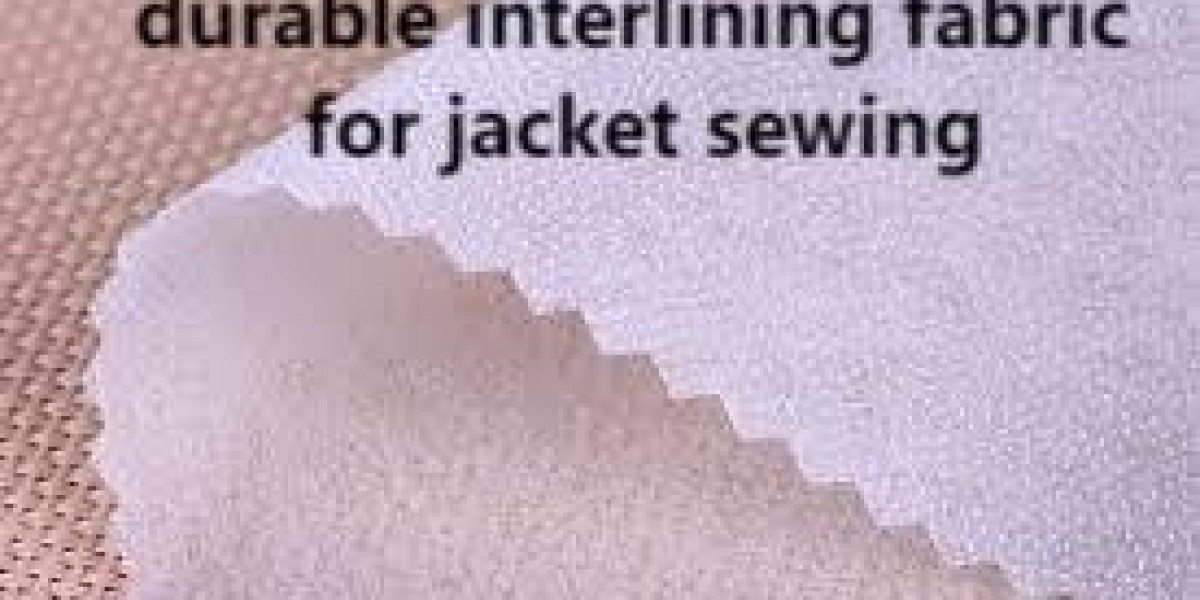

In modern garment production, Interlining plays a pivotal role in balancing structure and comfort, allowing designers to create apparel that maintains its intended shape while providing optimal wearability. Integrating interlining properly ensures that clothing not only looks refined but also performs well during daily use. This invisible layer can transform fabric behavior, enabling garments to achieve professional finishes without sacrificing flexibility or softness. Its contribution to tailoring, design precision, and durability makes it a crucial component across diverse clothing types.
Choosing the Right Materials
Material selection is fundamental for achieving the desired garment performance. Fabrics vary in thickness, elasticity, and weave, influencing the final appearance and support. Natural fibers offer breathability and softness, while synthetic materials provide resilience and moisture resistance. Designers must evaluate each option carefully, considering garment type, usage, and aesthetic requirements to ensure the support layer complements the outer fabric seamlessly.
Precision in Application
Applying supportive layers requires technical skill and attention to detail. Incorrect placement or adhesion can lead to wrinkles, sagging, or uneven textures, compromising both the garment’s look and function. Techniques such as full backing, partial reinforcement, or strategic padding help tailor the garment’s structure. Professionals often combine multiple methods within a single piece, reinforcing high-stress areas while keeping flexible regions unhindered for natural movement.
Functional Benefits Beyond Support
Supportive layers offer more than structural stability. They can enhance thermal insulation, moisture management, and durability. Lightweight reinforcements help prevent stretching or distortion during laundering, while thicker supports provide crisp folds and maintained silhouettes. By considering performance needs alongside aesthetic goals, manufacturers can produce clothing that meets high consumer expectations for comfort, style, and longevity.
Sustainable Practices in Textile Production
Modern production increasingly emphasizes sustainability. Recycled fibers, water-efficient processes, and eco-friendly adhesives reduce environmental impact without compromising quality. Choosing materials that minimize waste and energy consumption aligns with global environmental goals. Responsible production methods are particularly important in competitive markets where consumers value eco-conscious brands, giving businesses an advantage while maintaining functional and aesthetic standards.
Future Trends and Technology Integration
Textile innovation continues to evolve with smart fabrics, adaptive support layers, and advanced weaving technologies. Designers explore materials that adjust to temperature or movement, enhancing comfort and versatility. These developments allow garments to provide responsive performance while retaining traditional tailoring aesthetics. As technology advances, clothing is expected to achieve new levels of sophistication, combining innovative materials with classic craftsmanship.
In summary, careful material selection, precise application techniques, functional enhancements, and sustainable practices all contribute to modern apparel quality and performance. For more details, visit https://www.interlining-factory.com/news/what-is-interlining-types-applications-and-more.html


