

















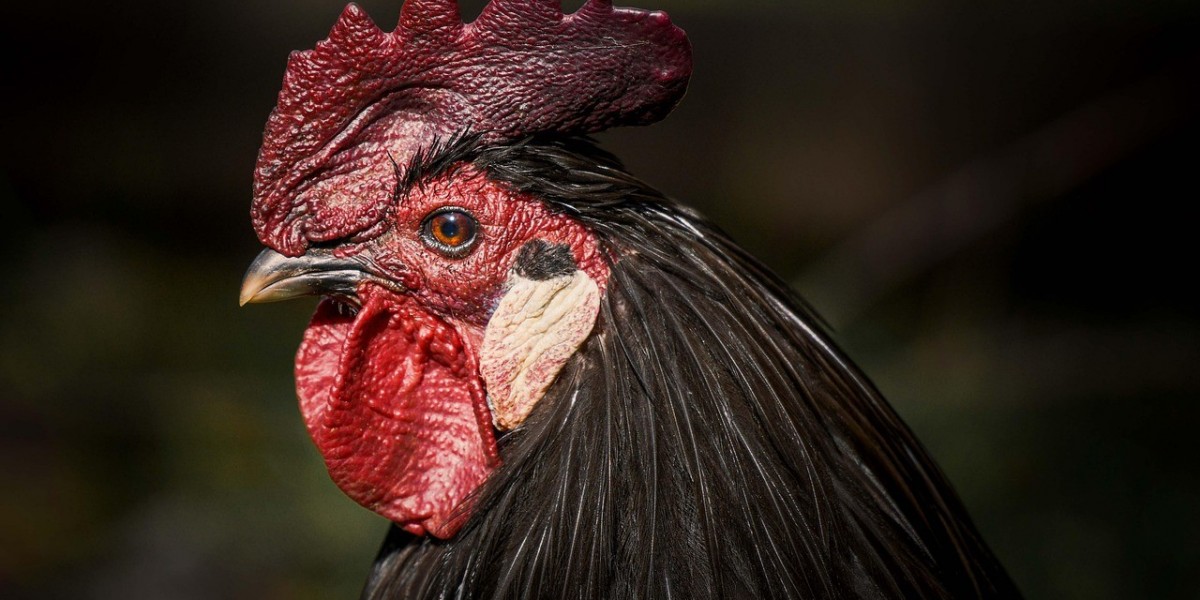
Organic Desi Chicken farming has become one of the fastest-growing trends in the agricultural sector, especially across South Asia. With the rising demand for chemical-free and naturally raised food, consumers are becoming more aware of what goes into their meals. People want meat that’s clean, nutritious, and free from antibiotics and artificial growth hormones. This shift in consumer mindset has opened new opportunities for farmers to enter the organic poultry market, particularly through Desi chicken farming.
Organic desi chicken, also known as native or country chicken, is the traditional breed that has been raised for generations in rural areas. It is naturally hardy, adaptable to different weather conditions, and produces meat and eggs with rich nutritional value. When raised organically, Desi chicken becomes one of the healthiest sources of protein available. Let’s explore in detail how organic Desi chicken farming works, what makes it different, and why it’s becoming so popular.
What Is Organic Desi Chicken Farming?
Organic Desi Chicken farming focuses on raising chickens in a natural environment with access to open space, sunlight, and organic feed. The goal is to produce meat and eggs without using antibiotics, synthetic hormones, or chemical-based feed. Every part of the farming process — from feeding to housing to waste management — follows strict organic principles.
Unlike commercial broiler farms that confine thousands of birds in small cages, organic Desi chicken farms provide free-range environments where chickens can roam freely and behave naturally. The feed usually includes grains like maize, wheat, and pulses, along with green leaves, worms, and insects. No chemical fertilizers or pesticides are used in their feed or surroundings. This natural lifestyle results in healthier, tastier meat with higher nutritional value.
Benefits of Organic Desi Chicken Farming
Organic Desi Chicken farming offers multiple benefits for both farmers and consumers.
For consumers, it provides clean, chemical-free food that supports better health. The meat is rich in proteins, low in fat, and easier to digest. It also contains more Omega-3 fatty acids and essential vitamins.
For farmers, organic Desi chicken farming can be a profitable and sustainable business model. Since Desi chickens are strong and disease-resistant, they require fewer medications and can survive in simple housing conditions. The demand for organic meat is continuously rising, allowing farmers to sell their produce at premium prices compared to commercial poultry.
Differences Between Desi Chicken and Broiler Chicken
The main difference between Desi and Broiler chickens lies in how they are raised and how fast they grow. Broiler chickens are bred to gain weight quickly, often within six weeks, using intensive feeding and artificial growth enhancers. Desi chickens, on the other hand, grow naturally over several months. This slower growth gives their meat a firm texture, richer flavor, and better nutrient composition.
In organic farming, Desi chickens are allowed to grow at their own pace without any artificial interference. They are also more active, which makes their meat lean and flavorful. Consumers who value taste and health usually prefer Desi chicken for these reasons.
Steps to Start Organic Desi Chicken Farming
Starting an organic Desi chicken farm requires careful planning and an understanding of proper farming techniques. Here’s a step-by-step overview:
1. Choose the Right Breed
Select hardy Desi breeds that adapt well to your region’s climate. Common breeds include Aseel, Kadaknath, Naked Neck, and Gramapriya. Each has its own benefits, such as high immunity, good egg-laying capacity, and unique flavor.
2. Build Proper Housing
Desi chickens need clean, well-ventilated shelters that protect them from predators, extreme heat, and rain. The floor should be dry and covered with natural bedding material like rice husk or sawdust. Ensure there is enough space for the birds to move freely.
3. Prepare Organic Feed
Use a balanced mix of grains, greens, and protein sources. Common feed ingredients include maize, millet, wheat bran, soybean meal, and fresh greens. You can also let them forage naturally in open areas where they can eat worms and insects.
4. Maintain Clean Water Supply
Always provide clean and fresh drinking water. Avoid using chlorinated or contaminated water. You can also add natural herbs like turmeric or garlic occasionally to boost immunity.
5. Disease Management
One of the key principles of organic farming is preventive care instead of chemical treatment. Keep the housing clean, control moisture, and rotate grazing areas to prevent infections. Use herbal remedies instead of synthetic medicines whenever possible.
6. Certification and Record Keeping
If you want to sell your meat or eggs as organic, certification is important. Keep detailed records of feed sources, vaccination history, and production methods to ensure transparency and meet certification standards.
7. Marketing and Sales
There’s a growing market for organic meat among urban consumers. You can sell directly to households, restaurants, or organic stores. Using social media and online marketplaces can help reach more customers.
Profitability of Organic Desi Chicken Farming
Organic Desi chicken farming can be highly profitable when managed correctly. Although the growth rate of Desi chickens is slower than that of broilers, their selling price is almost double or even triple. Consumers are willing to pay more for clean, naturally raised meat. Additionally, the cost of maintaining Desi chickens is relatively lower because they are disease-resistant and can survive on natural feed.
Many small farmers have started organic Desi chicken farms with limited investment, focusing on quality over quantity. By maintaining high standards and building trust with local customers, these farmers enjoy repeat sales and strong community support.
Challenges in Organic Desi Chicken Farming
While the business has great potential, there are also some challenges. Desi chickens grow slowly, which means the turnover rate is lower than that of commercial farms. Farmers must also manage natural feed sources carefully, especially in areas where grain prices are high. Disease prevention using herbal and natural methods requires consistent attention. Despite these challenges, the long-term rewards make the effort worthwhile.
Another major challenge is educating consumers about the difference between real organic Desi chicken and regular poultry. Some sellers misuse the term “organic” for marketing, which can confuse buyers. Certified labeling and transparent practices are key to solving this issue.
The Growing Popularity of Organic Desi Chicken
Across Pakistan, India, and other Asian countries, the popularity of organic Desi chicken has grown tremendously over the past few years. Urban families are increasingly aware of the impact of unhealthy food on long-term well-being. They are ready to pay a higher price for organic products that guarantee safety and nutrition. The government and agricultural organizations are also encouraging farmers to adopt organic practices by offering training and financial support.
This trend has created a win-win situation — farmers earn better income, and consumers get healthier food. Many young entrepreneurs are now turning toward organic Desi chicken farming as a modern business opportunity that combines profit with purpose.
Sustainability and Environmental Impact
Organic Desi chicken farming plays a vital role in environmental sustainability. By avoiding chemicals and antibiotics, it reduces soil and water pollution. Free-range farming also allows better use of land and promotes biodiversity. The natural manure produced by chickens can be used as organic fertilizer, reducing dependence on chemical alternatives.
This approach creates a balanced ecosystem where farming, animals, and the environment coexist in harmony. That’s why organic Desi chicken farming isn’t just about producing food — it’s about protecting the planet for future generations.
Final Thoughts
Organic Desi chicken farming represents the perfect blend of tradition and innovation. It brings back old farming values in a modern, sustainable way. With the rising demand for organic food, this type of poultry farming offers a healthy alternative to industrial production. It benefits farmers through fair prices, supports the environment, and provides consumers with clean, flavorful meat that’s safe for the whole family.
Whether you’re a farmer looking to start a new venture or a consumer searching for better food options, organic Desi chicken is a symbol of purity, health, and responsible living. Its growing popularity shows that people are ready to return to natural ways of eating and living — one chicken at a time.


